Heat Pump Services: The Ideal Choice for Year-Round Climate Control
Heat pump systems deliver a practical solution for keeping indoor spaces comfortable year-round. By employing an energy-conscious refrigeration cycle, these systems can effectively heat and cool spaces while keeping energy consumption to a minimum. Their positive effect on indoor air quality combined with potential energy rebates makes them more attractive than ever. Nevertheless, a thorough understanding of their setup and maintenance is critical to getting the most out of them. What key considerations should homeowners keep in mind when selecting the ideal heat pump for their home?
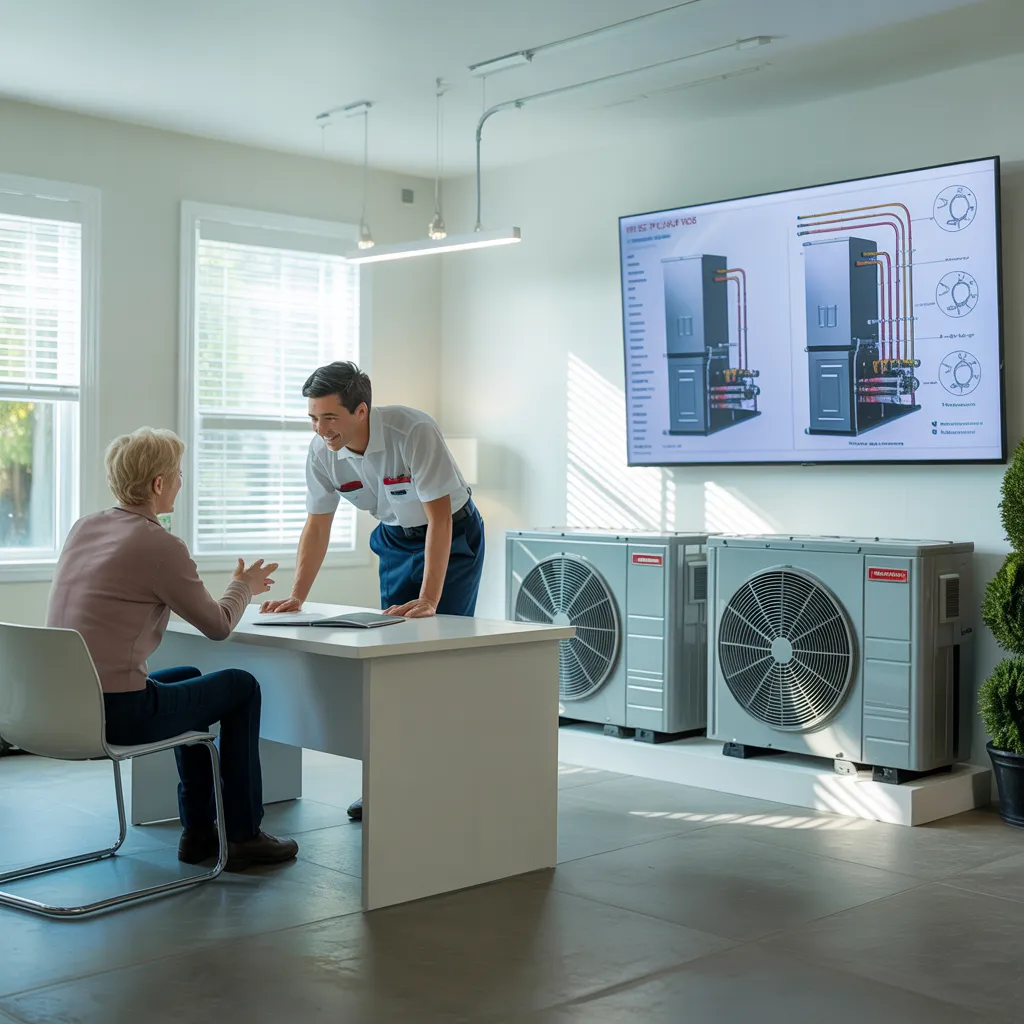
How Heat Pumps Function and Why They Are Significant
Although many people may not be familiar with the complexities behind heat pump technology, comprehending their mechanics showcases their role in modern heating and cooling systems. Heat pumps function by transferring heat rather than generating it, applying a refrigeration mechanism similar to conventional air conditioning systems. During winter, they extract heat from the outside air, even in cold temperatures, and transfer it indoors. Conversely, in summer, they reverse the process, removing indoor heat and releasing it outside.
This dual functionality makes heat pumps versatile, providing both heating and cooling solutions. They generally operate on electricity, offering a more energy-efficient alternative to traditional heating systems, like traditional furnaces. By harnessing ambient heat, heat pumps effectively cut energy consumption while also reducing harmful greenhouse gas emissions, in line with current environmental priorities. Therefore, their operation is essential in promoting sustainable energy practices while enhancing indoor comfort year-round.
Key Benefits of Heat Pump Services
What advantages do heat pump services offer? Primarily, they provide enhanced energy efficiency, significantly lowering utility bills in comparison to conventional heating and cooling systems. Since they move heat instead of producing it, heat pumps function more sustainably, making them a green and responsible choice. Moreover, these systems deliver adaptable climate control, efficiently warming spaces in the winter and cooling them in the summer.
Scheduled maintenance services secure peak performance, increasing the longevity of the system and minimizing the risk of unexpected breakdowns. Moreover, heat pumps are capable of enhancing indoor air quality by filtering out pollutants and humidity, fostering a more wholesome indoor atmosphere.
Finally, the installation of heat pump solutions frequently qualifies homeowners for energy-saving rebates and incentives, making them a economically wise decision. All in all, heat pump services provide a efficient, economical, and environmentally conscious solution for comfort throughout the year.
Steps for Installing a Heat Pump
Installing a heat pump involves careful consideration of several factors. Essential considerations include identifying an optimal placement area, determining electrical specifications, and refining placement to enhance effectiveness. Evaluating these elements ensures a seamless implementation and better functionality of the heating and cooling unit.
Site Selection Factors
Choosing the best location for a heat pump installation is vital for maximizing operational efficiency. The area should be free from obstructions that could see the details impede airflow, such as fences, trees, or buildings. Ensuring adequate clearance around the unit supports maintenance and boosts operational efficiency. In addition, selecting a site with favorable sun exposure can boost heat absorption during the winter season. The surface conditions must also be suitable; a stable, level surface is essential for the longevity of the unit. Additionally, proximity to existing ductwork or heating systems can streamline installation and cut costs. Finally, awareness of noise levels is necessary, as heat pumps can emit sound, impacting nearby living areas. Careful site selection plays a key role in the heat pump's effectiveness and lifespan.
Electrical Requirements Overview
Comprehending the power requirements is essential for a smooth heat pump installation. Proper electrical setup ensures the system functions effectively and securely. Initially, the main service panel must be inspected to verify it can accommodate the heat pump's load. In most cases, a dedicated circuit is necessary, often necessitating a 240-volt supply, depending on the unit's settings. An appropriately sized breaker, typically 20 to 60 amps, should be put in place to avoid overloading. Moreover, qualified electricians should be contacted to confirm compliance with local electrical codes. Adequate grounding and wiring practices are critical for peak performance and safety. Addressing these electrical considerations will promote a successful installation and enhance the longevity of the heat pump system.
Heat Pump Placement Tips
Correct positioning of a heat pump significantly impacts its overall effectiveness. To achieve ideal results, it is important to set up the outdoor unit in a well-ventilated area, away from barriers like walls or vegetation. For best results, the unit should be elevated to prevent water accumulation during intense rain events. Furthermore, placing the indoor unit in a central location optimizes airflow and climate management throughout the space. Ensure that both units are level to facilitate proper drainage and reduce noise. Take into account local zoning laws and noise restrictions when selecting a location. Finally, avoid placing the heat pump near windows or sensitive areas to reduce disruptions and enhance comfort. Following these guidelines will promote longevity and effective operation of the heat pump system.
Heat Pump Care Tips for Maximum Performance
Maintaining ideal performance of a heat pump necessitates consistent care and periodic servicing. Essential steps involve replacing filters regularly to guarantee efficient airflow and scheduling annual professional inspections for detailed examination. Such practices can significantly improve the lifespan and performance of the system.
Regular Filter Replacement
Regular filter replacement is crucial for improving the effectiveness and durability of heat pumps. Filters trap dust, allergens, and debris, preventing them from circulating through the system. When filters become clogged, airflow is restricted, leading to increased energy consumption and reduced heating or cooling effectiveness. Consistently replacing filters can significantly enhance indoor air quality and ensure optimal performance. For best results, filters should be inspected monthly and changed every three months, or more often in heavy-use conditions. This straightforward upkeep routine not only improves system performance but also extends the lifespan of the heat pump. Homeowners are advised to reference their unit's manual for detailed filter recommendations, guaranteeing a properly maintained system that runs efficiently throughout the year.
Annual Expert Inspections
Yearly professional evaluations are critical for ensuring optimal performance of heat pumps. Such inspections help uncover potential concerns before they develop, sparing homeowners from costly fixes and inefficient functioning. During an inspection, trained technicians assess various components, including the refrigerant levels, electrical connections, and overall system efficiency. They also clean critical parts, which contributes to improved air quality and energy efficiency. Planning these inspections at minimum once per year confirms that the heat pump functions reliably throughout every season, improving comfort and cutting energy costs. Routine maintenance not only lengthens the operational life of the unit but also guarantees conformity with warranty stipulations. Consequently, annual expert inspections are a prudent investment for all heat pump owners looking for consistent and reliable performance.
Major Heat Pump Problems and How to Address Them
Even though heat pumps are celebrated for their effectiveness and versatility, they are susceptible to a range of issues that could compromise their operation. A frequent issue is insufficient heating or cooling, typically resulting from clogged filters or obstructed ducts. Regular maintenance, including filter changes and duct cleaning, can resolve this issue. Another frequent concern is unusual noises, which could signal loose fittings or deteriorating components. Pinpointing where these sounds originate and tightening or swapping out parts can eliminate the problem.
Additionally, refrigerant leaks can negatively impact performance. When low refrigerant levels are identified, seeking assistance from a certified technician is recommended. Lastly, frequent cycling may suggest a malfunctioning thermostat or oversized system, leading to inefficient operation. Adjusting the thermostat settings or consulting with a professional for system assessment can help restore balance. Addressing these issues promptly guarantees ideal performance and extends the lifespan of the heat pump.
Heat Pumps vs Traditional HVAC Systems
When evaluating HVAC options, the distinctions between heat pumps and traditional HVAC systems are clear. Heat pumps function by redirecting heat rather than producing it, allowing them to be more energy-efficient. By comparison, traditional HVAC systems utilize electric resistance or combustion to generate heat. This fundamental difference permits heat pumps to offer both heating and cooling capabilities, a versatility that traditional systems do not offer.
In addition, heat pumps generally have a longer service life and require less maintenance in comparison to conventional HVAC units. They also function more silently, promoting a comfortable living environment. Even so, older systems may function better in extremely cold climates, where heat pumps can struggle to obtain enough heat. At the end of the day, the comparison of heat pumps and traditional HVAC systems copyrights on individual climate factors, energy conservation goals, and individual heating and cooling needs, making careful consideration essential for residential property owners.
Finding the Perfect Heat Pump for Your Home
How can homeowners determine the most suitable heat pump for their needs? Selecting the right heat pump involves evaluating several key factors. To begin, homeowners need to evaluate the square footage of their home, since the system's output needs to match the property's size to achieve optimal performance. Moreover, geographic weather conditions are an essential consideration; locations subject to severe temperature fluctuations might demand stronger and more capable equipment.
Energy performance ratings, such as the SEER (Seasonal Energy Efficiency Ratio) and HSPF (Heating Seasonal Performance Factor) ratings, are also worth evaluating. Higher ratings usually reflect lower energy expenses. Homeowners should also evaluate the heat pump type—air-source, geothermal, or ductless—based on their specific installation requirements and budget.
Finally, consulting with a licensed HVAC technician can supply individualized suggestions and confirm correct installation, consequently elevating the home's comfort and overall energy performance across all seasons.
Questions We Often Receive
Can Heat Pumps Remain Energy-Efficient During Extreme Weather Conditions?
Heat pumps are capable of being effective and energy-saving in extreme climate conditions, but their efficiency can decline in extremely cold temperatures. Correct sizing, professional installation, and additional heating solutions improve overall efficiency, guaranteeing reliable temperature control all year long.
How Long Do Heat Pumps Typically Last?
Heat pumps generally have a lifespan of between 15 to 20 years, based on how well they are maintained, how frequently they are used, and the surrounding environment. Routine maintenance can significantly prolong their operational life, maintaining top-level performance throughout their service life in diverse weather conditions.
Are Heat Pumps Effective in Colder Climates?
Indeed, heat pumps can operate in colder climates, however their efficiency may diminish as temperatures drop. Modern models are designed to operate efficiently even in sub-zero conditions, offering warmth across all seasons.
What Is the Typical Cost of Heat Pump Installation?
The standard cost of heat pump installation typically ranges from $3,000 to $8,000, based on factors such as the type of system, the size of the home, and local labor costs. Additional expenses may include necessary permits and adjustments to current infrastructure.
Do Heat Pumps Require Special Electrical Setups?
Yes, heat pumps frequently need specialized electrical configurations to handle their energy demands. This often encompasses individual circuits and proper voltage settings, providing optimal performance and safety during operation while complying with regional electrical standards.